
Verify the source
Inspect domains and publishing channels, and read security guidance before installing anything from a message or advertisement.
Install carefully: sources and permissions →Explore self-custody fundamentals, wallet organization, backups, and transaction checks in a calm, considered digital experience.
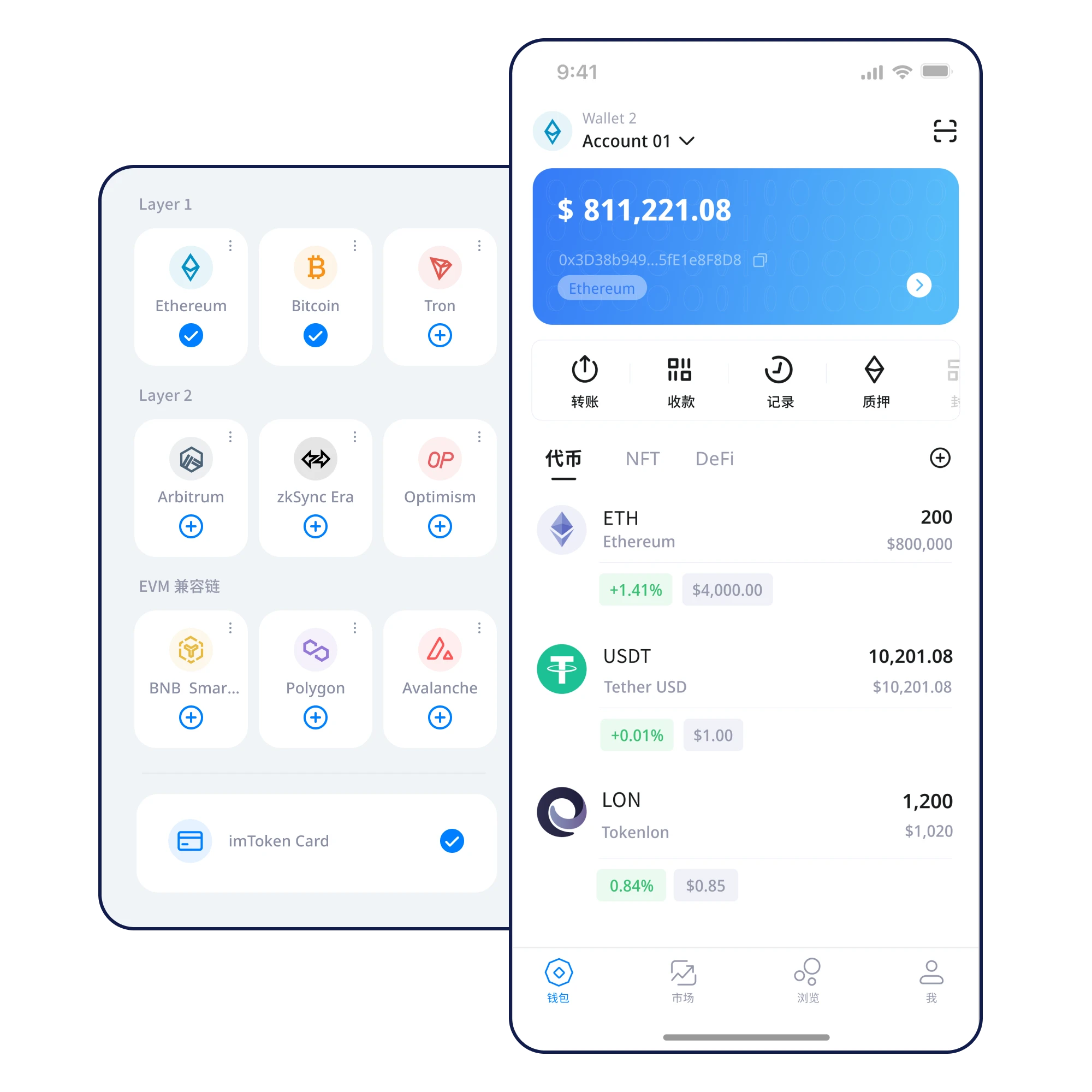
A clear overview can help separate token names, networks, and backup status. Every number below is a mock interface value, not a real balance.
Total assets · sample
$12,480.00
Illustrative values only. Not a connected account.
Each milestone has a dedicated guide. Follow the checks rather than rushing into the next screen.
Inspect domains and publishing channels, and read security guidance before installing anything from a message or advertisement.
Install carefully: sources and permissions →Know the difference between a new wallet and recovering an existing one; importing may expose sensitive recovery material.
Creating a wallet starts with understanding custody →Write every word in order and keep the phrase out of screenshots, shared notes, chats, and cloud sync.
Your first recovery phrase backup →Check readability and word order, then store copies appropriately without creating an obvious single point of failure.
Restoring a wallet safely →Associate each asset with its chain and contract, particularly when token symbols appear on multiple networks.
Organizing assets across networks →Check the network, entire address, asset, amount, and fees; consider a small test transfer where appropriate.
The pre-transfer verification checklist →Explore the distinction between storing keys and authorizing transactions, including device risks and the responsibility of recovery backups.
Security starts with deliberate steps, not guarantees.
Restore only in a trusted environment, confirm the backup and wallet type, then verify the correct networks after restoration.
Security starts with deliberate steps, not guarantees.
Before confirming a transfer, review network, recipient address, asset, amount, and fees; many on-chain transfers cannot be reversed.
Security starts with deliberate steps, not guarantees.
Keep sensitive credentials under your control.
Inspect the network, recipient and amount before signing.
Prepare independent backups before a device fails.
A guided reference for new setups, risk checks, and returning users.
Prepare to create or import a wallet by understanding addresses, private keys, and recovery phrases before taking any irreversible action.
↗🔁Track assets by both token and network: identical symbols can represent different contracts, and balances belong to specific chains.
↗✅Before confirming a transfer, review network, recipient address, asset, amount, and fees; many on-chain transfers cannot be reversed.
↗💾Before retiring your old device, verify backup readiness, avoid fraudulent recovery prompts, and check asset networks on the new device.
↗Lookalike websites, exposed recovery phrases, incorrect networks, and copied addresses can all cause irreversible harm.
Recognize phishing links and impersonation →In a self-custody model, control depends on who holds the keys. Check your actual software documentation and never hand a recovery phrase to support staff.
Balance queries and broadcasting transactions generally require connectivity. Offline backups do not, but physical damage remains a consideration.
Record it offline in a trusted setting and store it securely. Avoid photos, cloud drives, shared notes, and messaging apps.
A private key authorizes actions for an address; a recovery phrase commonly derives multiple keys. Treat both as highly sensitive.
Verify the source, save your recovery details offline, and double-check every transaction.
⬇ Download NowDesktop download requests currently show a maintenance notice.